The modern marketing landscape is a battlefield for attention.
With the average human attention span now shorter than that of a goldfish, less than eight seconds, the old playbook of passive, one-way content is failing.
Your audience is bombarded with information, and if you can’t provide immediate value, you’ll be instantly forgotten. How can a brand not only capture but also hold the interest of a distracted, impatient audience?
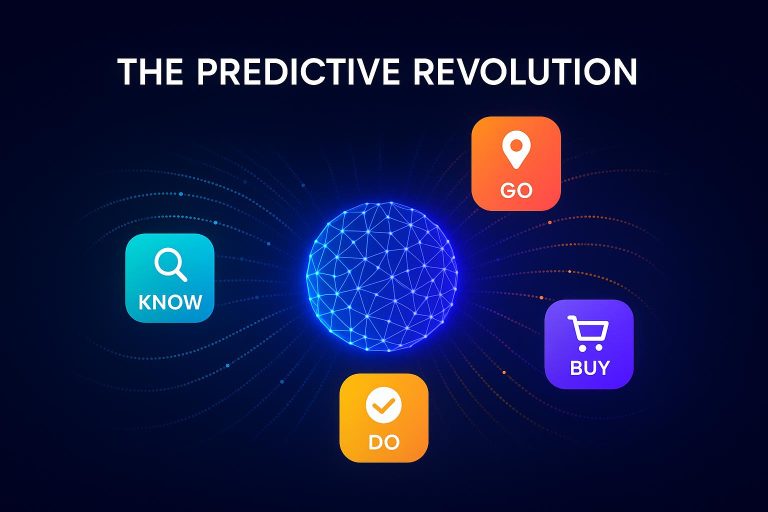
The answer lies in understanding the new map of the customer journey. Coined by Google, the concept of “micro-moments” describes the hundreds of real-time, intent-driven interactions a person has with their device every day.
Among these, the “I-want-to-know” moment, that flicker of curiosity when someone turns to a search engine for an answer, is your single greatest opportunity. The key to success is winning this moment, not with a sales pitch, but by providing immediate and tangible value through interactive content.
Understanding the ‘I-Want-to-Know’ Moment
The “I-want-to-know” moment is the new battleground for brand preference. This isn’t about making a sale; it’s about being the best answer.
When a potential customer searches for information related to your industry, they are in a learning mode, not a buying mode. They are impatient, their expectations are sky-high, and they demand useful, concise answers now. A one-second delay in mobile load times can crush conversion rates, proving that speed and utility are paramount.
By being there and being useful in this critical instant, you establish your brand as a trusted, authoritative resource. This builds a powerful preference that pays dividends long before a purchase decision is ever made.
It’s crucial here to distinguish this strategy from “moment marketing.” While moment marketing involves a brand reactively jumping on a trending topic or cultural event, micro-moment marketing is proactive. It’s about anticipating an individual user’s specific, internal need and having the answer ready before they even ask. You’re not joining a conversation; you are the answer.
10 Interactive Content Formats You Can Use
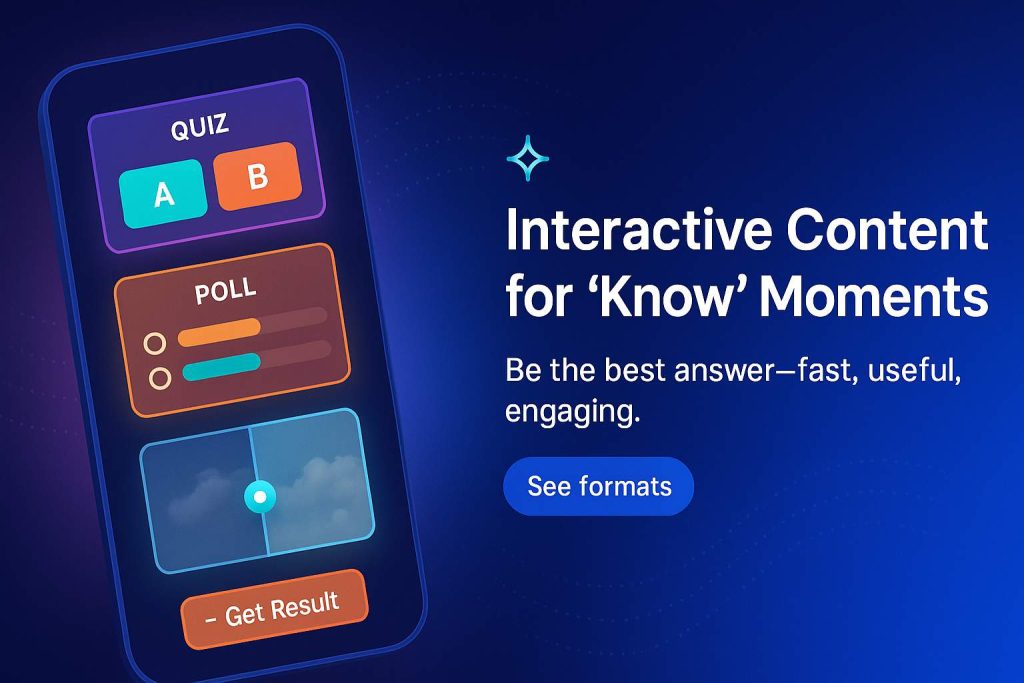
In the high-stakes environment of the “know moment,” static blog posts and one-way communications often fall flat. This is where interactive content becomes your strategic advantage.
By transforming passive consumption into active participation, you create a memorable dialogue that provides real value. In fact, studies show that interactive content is 81% more effective at grabbing people’s attention than static content.
Here is ten content formats perfectly suited to winning the “know moment.”
1. Quizzes & Assessments
Quizzes tap into our fundamental desire for self-discovery. They transform a generic topic into a personalized journey, giving the user a valuable insight in exchange for their engagement.
- How they work: By asking a series of questions, you guide the user to a personalized result that educates them and subtly positions your brand as a relevant solution.
- Best Practices: Keep quizzes short and engaging (5-7 questions is ideal). Write result descriptions that are positive and shareable. Most importantly, provide a clear call-to-action after the reveal, linking their result to your product or a relevant piece of content.
- Top-tier examples: Adobe’s brilliant “Creative Types” quiz is a masterclass because it gives users a profound insight into their own creative process, solidifying Adobe’s position as a champion of creativity. Similarly, Nespresso’s coffee quiz expertly guides users to their ideal coffee blend, effectively answering the question “Which of your products is right for me?”
2. Interactive Calculators
When a user’s question involves numbers—”How much will this cost?” or “What’s the potential ROI?”—a calculator is the most direct and valuable tool you can offer.
- How they work: Calculators provide immediate, concrete answers to complex quantitative questions, moving the user from abstract curiosity to tangible understanding.
- Best Practices: Ensure your calculator is simple to use and the results are easy to understand. The value of the calculation should be high enough that a user feels it’s a fair trade to provide their contact information to see the results.
- Top-tier examples: HubSpot’s ad spend ROI calculator works so well because it directly addresses a critical pain point for marketers. By providing a tangible number, it establishes immediate credibility and generates a highly qualified lead.
3. Interactive Infographics & Data Visualizations
Complex information can be overwhelming. Interactive infographics turn a passive viewing experience into an active exploration, allowing users to engage with data on their own terms.
- How they work: Users can click, hover, scroll, or filter information to explore complex data sets or processes at their own pace, dramatically increasing comprehension and time spent on the page.
- Best Practices: Focus on one core story or data set. Don’t try to cram too much information in. Use clear visual cues to show users which elements are clickable or filterable.
- Top-tier example: An animated infographic showing “How a car engine works” is effective because it breaks down an incredibly complex system into simple, sequential steps, making the information accessible to a non-expert audience.
4. Polls & Surveys
Polls and surveys are powerful tools for fostering a sense of community. They invite users to share their opinions and see how their views compare to those of their peers.
- How they work: A simple poll embedded within an article acts as an engaging hook that captures attention while simultaneously providing you with valuable, real-time market research (zero-party data).
- Best Practices: Ask a single, compelling question that relates directly to the content on the page. Show the results immediately after the user votes to provide instant gratification and satisfy their curiosity.
- Top-tier example: A business publication could embed a poll asking, “What is your biggest business challenge in 2025?” within an article about market trends. This is powerful because it engages the reader directly while giving the publisher invaluable, real-time insight into their audience’s primary concerns.
5. Interactive Videos
Video is already engaging, but interactive video takes it to the next level by making the viewer a participant, not just a spectator.
- How they work: These videos include clickable hotspots, quizzes, or branching paths that allow the viewer to control the experience, creating a “choose your own adventure” style of learning.
- Best Practices: Use interactivity to enhance the story, not distract from it. Ensure the clickable elements are clearly visible and that the experience is seamless on both desktop and mobile.
- Top-tier example: A B2B software company could create a product demo where viewers can click on different features to get a personalized tour based on their needs. This respects the viewer’s time by letting them skip to what’s most relevant.
6. Contests & Giveaways
Contests tap into our competitive nature and desire for reward, creating excitement and generating valuable leads.
- How they work: Simple entry mechanisms (like a photo submission or a trivia question) can generate significant buzz and user-generated content for your brand.
- Best Practices: Make the prize highly desirable and relevant to your target audience. Keep the entry barrier low to maximize participation.
- Top-tier example: A travel company running a “dream vacation” photo contest is effective because the content generated (beautiful travel photos) is perfect marketing material, and every entrant is self-identifying as a lead interested in travel.
7. Interactive Maps
Maps are inherently interactive and are perfect for visualizing location-based data or telling a story geographically.
- How they work: Users can explore data points on a map, telling a story about anything from historical events to the global supply chain, making abstract information concrete and explorable.
- Best Practices: Keep the map clean and easy to navigate. Use pop-ups or side panels to provide additional information when a user clicks on a data point, rather than cluttering the map itself.
- Top-tier example: A news organization could use an interactive map to show the real-time results of an election. This works because it allows users to explore data at multiple levels, from a national overview down to their local precinct, personalizing the experience.
8. Branded Games
Gamification is a powerful way to increase engagement and brand recall. A simple, fun game can keep users on your site longer and create a positive brand association.
- How they work: These don’t need to be complex. Simple puzzle or memory games themed around your brand or industry can be highly effective at capturing attention in a fun, low-pressure way.
- Best Practices: The game should be easy to learn but challenging enough to be rewarding. The branding should be present but not intrusive.
- Top-tier example: A cybersecurity firm could create a simple “spot the phishing attempt” game. This is a brilliant strategy because it educates users on a critical topic in an entertaining format, directly demonstrating the firm’s expertise.
9. Augmented Reality (AR) Experiences
AR technology allows users to bring digital objects into their real-world environment, bridging the gap between online and offline.
- How they work: Using a smartphone camera, users can visualize products in their own space, from furniture in their living room to a new pair of glasses on their face.
- Best Practices: The experience must be fast, intuitive, and realistic. The goal is to remove uncertainty and increase purchase confidence.
- Top-tier example: The IKEA Place app is a landmark example because it directly solves a customer’s ‘I-want-to-know’ question (‘Will this fit and look good in my space?’), moving them much closer to a purchase decision by removing a key barrier.
10. Interactive Whitepapers & Ebooks
Turn your most valuable long-form content from a static PDF into an immersive digital experience.
- How they work: Instead of a linear document, an interactive whitepaper allows users to navigate through chapters, click on charts to reveal more data, and engage with embedded quizzes or assessments.
- Best Practices: Use a clear navigation structure so users don’t get lost. Use interactive elements to highlight the most important insights and data points.
- Top-tier example: A market research firm could publish a report where readers can filter data by industry or region. This transforms a one-size-fits-all document into a personalized tool that delivers more relevant insights to each reader.
Strategic Implementation: From Idea to Impact
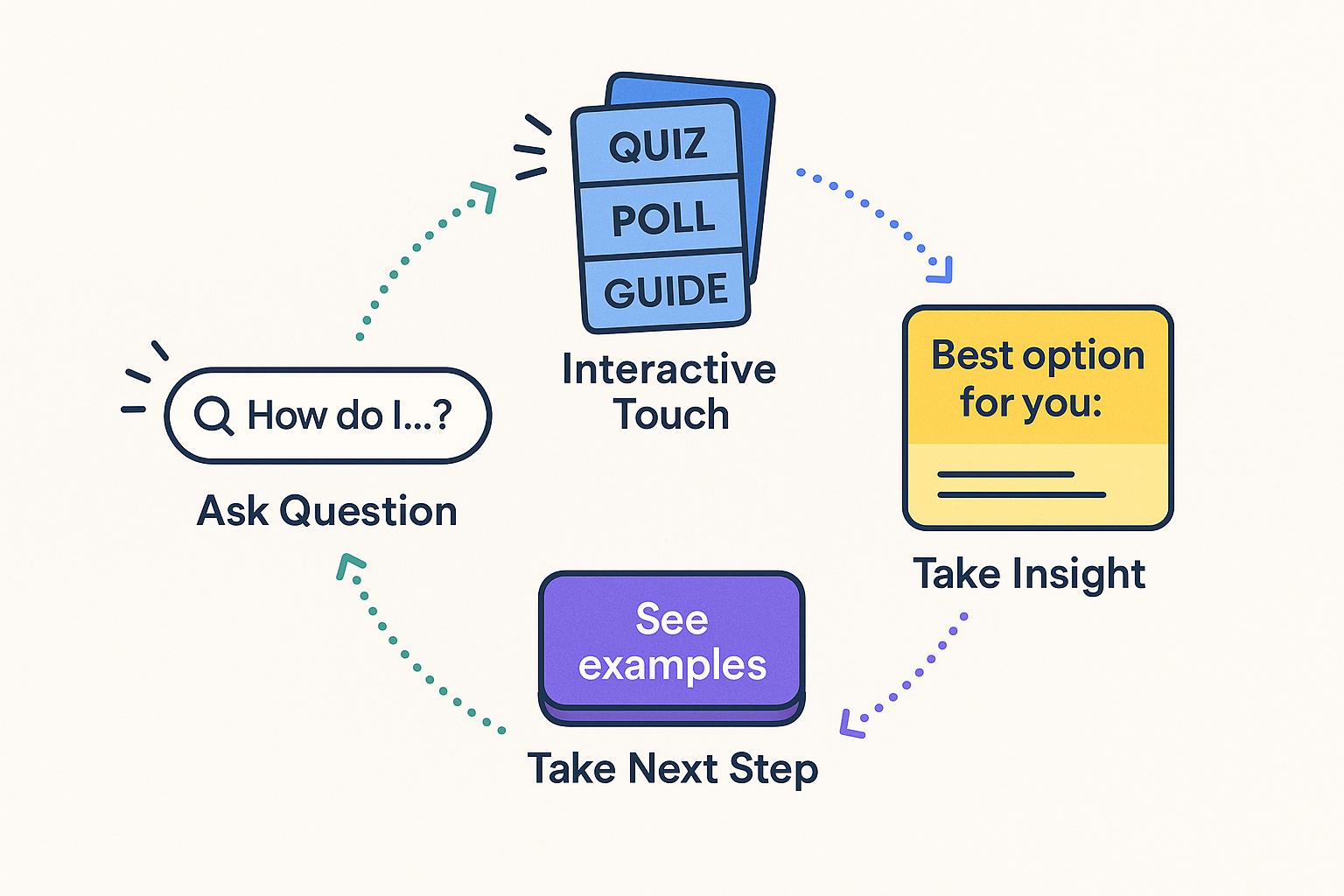
Deploying these tools effectively requires a clear strategy. This isn’t just about creating a single piece of content; it’s about building a system to consistently win “know moments.”
Step 1: Identify and Map Key ‘Know Moments’
Start by thinking like your customer. What are the most common questions they ask at the very beginning of their journey? To uncover these, dive into your data. Use tools like Google Search Console to see what queries are already bringing people to your site. Explore forums like Reddit or Quora to see the raw, unfiltered language people use when discussing your industry. Most importantly, talk to your sales and customer service teams—they are on the front lines and know exactly what challenges your customers face.
Step 2: Choose the Right Interactive Format
Once you’ve identified a key question, select the best interactive format to answer it. The format should match the nature of the question. If the question is “What kind of [product] is right for me?” a quiz is the perfect fit. If the question is “How much can I save by using [your service]?” an ROI calculator is the undeniable answer. The goal is to create the most direct and valuable path from question to answer.
Step 3: Measure Your Success
To prove the value of your interactive content, you must track the right metrics. Go beyond simple page views and vanity metrics. Focus on engagement rates (like quiz completion rates or average time spent on a game), lead conversion rates from calculators, and the quality of the zero-party data you collect from polls. A great case study is Decathlon, whose interactive shopping guides see impressively high conversion rates because they don’t just show products; they actively help customers find the perfect one for their needs.
Stop Broadcasting, Start Interacting
Success is no longer about having the loudest voice; it’s about having the best answer.
The modern marketing imperative is clear: we must evolve from being broadcasters who shout messages to being trusted resources who provide value.
By strategically deploying interactive content during the “I-want-to-know” moment, you build the foundation of trust that drives long-term loyalty and revenue. You stop being just another brand and become an indispensable partner in your customer’s journey.
Take five minutes today to audit one of your highest-traffic static blog posts. Ask these questions:
- How could you transform it into an interactive experience?
- Could a key concept be turned into a quiz?
- Could a data point become an interactive infographic?
The journey from broadcasting to interacting starts with that single question.