Think about the last time you searched “coffee near me” or looked up the closest store that had an item in stock. That quick decision wasn’t just about convenience, it was a “Go” moment in action.
In today’s retail and restaurant landscape, these moments are the spark that turns intent into action and action into loyalty.
According to Google, 76% of people who conduct a local search on their smartphone visit a business within 24 hours, and 28% of those searches result in a purchase.
For retailers and restaurants, that means every time a customer decides where to go, they’re not just choosing a location. They’re deciding which brand they trust to deliver on their immediate need.
“Go” moments are the lifeblood of foot traffic and repeat visits. Whether it’s a diner choosing where to grab lunch, or a shopper looking for the fastest way to pick up a product, the businesses that show up and deliver consistently build stronger relationships over time.
In this article, we’ll explore how these micro-moments shape customer loyalty, the role of technology in powering them, and how both retail giants and neighborhood cafés can win in the critical seconds when decisions are made.
The Anatomy of a “Go” Moment
At its core, a “Go” moment is simple: a customer wants something right now and turns to their phone to figure out where to get it.
But beneath that simplicity lies a powerful mix of triggers, behaviors, and expectations that define whether a business earns the visit, and eventually, the customer’s loyalty.
What Triggers a “Go” Moment
- Basic needs: Hunger, thirst, or the need for an everyday item.
- Situational urgency: Running late for a meeting and needing coffee on the way, or realizing you’re out of printer ink right before a deadline.
- Impulse: Cravings, social influence, or seeing an ad at the right time.
These triggers aren’t abstract, they’re rooted in immediacy and context. Customers don’t plan for them days in advance. They happen in the moment, and the brand that’s most accessible wins.
The Role of Mobile Devices
Smartphones have turned “Go” moments into reflexes. Whether it’s Google Maps, Yelp, or voice search (“Hey Google, where’s the nearest Thai food?”), customers now expect instant answers paired with reliable directions, reviews, and store information.
The Psychology of Convenience
Behind every “Go” moment is a mental calculation: Which option will get me what I want the fastest, with the least hassle? This “effort vs. reward” balance is why:
- A restaurant with 200+ good reviews is chosen over an unknown name.
- A retail chain that shows in-stock availability online gets the visit.
- A business that fails to update hours on Google risks losing trust.
A single bad experience, e.g. a closed store, wrong directions, or long wait time, can undo loyalty that took months to build. In micro-moments, customers aren’t just making decisions; they’re forming lasting impressions of whether your brand can be trusted to deliver.
The Role of Technology in “Go” Moments
Technology is the silent engine behind most “Go” moments. Customers may feel like they’re simply choosing a nearby store or restaurant, but in reality, a web of digital tools is shaping what they see, where they go, and how often they come back.
Technology isn’t just enabling “Go” moments, it’s conditioning customer expectations. The more seamless and personalized the experience, the higher the chance that first-time visits will turn into loyal relationships.
Local Search and Maps
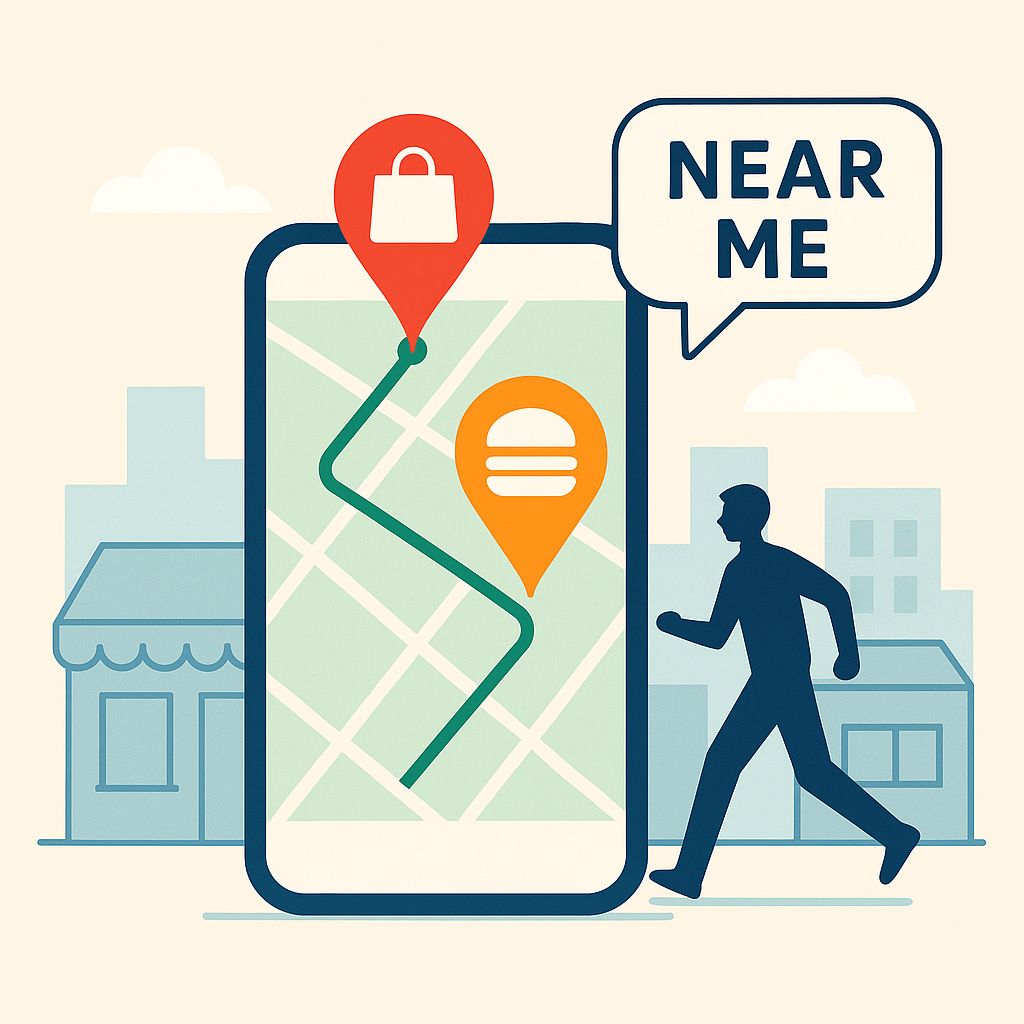
The foundation of any “Go” moment is local SEO. Google Maps, Apple Maps, and “near me” searches act as digital gatekeepers. If your business doesn’t appear in those results with accurate hours, directions, and contact details, you’re invisible in the exact moment customers are ready to act.
AI-Powered Recommendations
Platforms like Uber Eats, DoorDash, and even Google itself use algorithms to surface the “best” or “most relevant” options nearby. These recommendations don’t just help customers decide, they create habits. If an app keeps showing the same pizzeria at the top of the list, chances are high the customer will keep ordering from there.
Geofencing and Push Notifications
Retailers and restaurants are increasingly using geofencing to trigger real-time engagement. Walk past a mall, and your phone pings with a 10% off coupon. Drive near a coffee shop, and your loyalty app reminds you of points you could earn by stopping in. Done well, these nudges turn casual visits into repeated habits.
Loyalty Programs + Mobile Payments
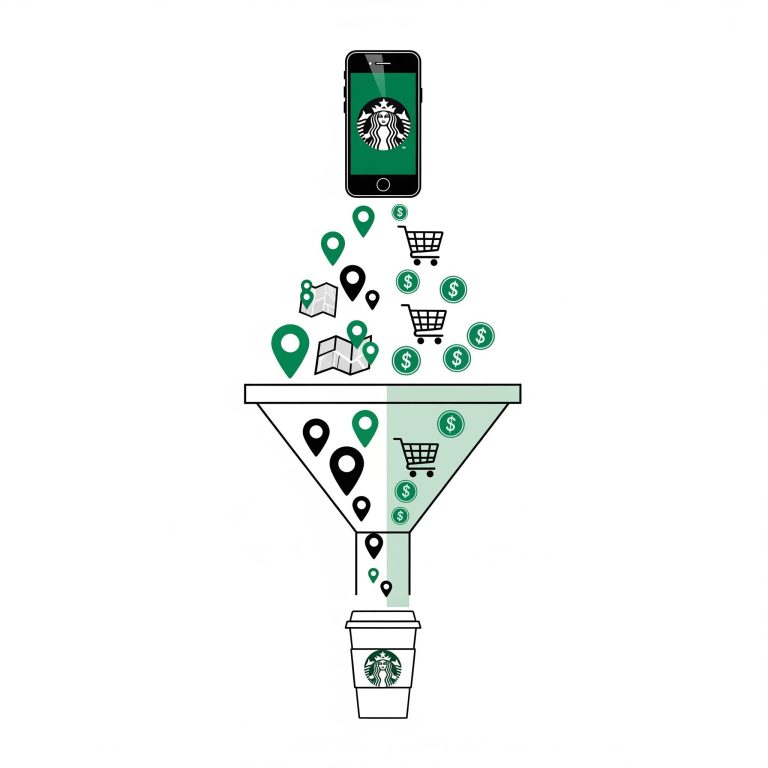
The integration of loyalty apps with mobile payments has made “Go” moments frictionless. Starbucks, for example, doesn’t just show you the nearest location; it also lets you pre-order, pay, and collect rewards before you arrive. This reduces waiting, increases satisfaction, and makes customers more likely to return.
Retail: Turning Visits into Loyalty
In retail, “Go” moments often start with practicality: Where can I find what I need, close by, and in stock? But when retailers handle these moments well, they don’t just earn a single transaction. They create repeat customers who view the brand as their go-to solution.
When retailers prioritize availability, convenience, and consistency, “Go” moments stop being one-off visits. They become the foundation of long-term loyalty.
In-Stock Availability as a Loyalty Driver
One of the biggest frustrations for shoppers is going to a store only to find the product isn’t available. Retailers like Target and Walmart have addressed this head-on by integrating real-time inventory into their apps and websites. Customers can see if the product they need is available before heading out. This transparency builds trust: if a store consistently has what you need when you need it, you’re more likely to keep going back.
Click-and-Collect: The Hybrid Advantage
“Click-and-collect” (order online, pick up in store) has become a loyalty-building powerhouse. It appeals to the immediacy of “Go” moments while also saving customers time. Best Buy leaned heavily into this model, giving shoppers the confidence that the trip would be worthwhile. The result: less friction, more satisfaction, and repeat visits.
Personalization Through Loyalty Apps
Retailers also use loyalty apps to bridge digital and physical experiences. For instance, Walgreens Balance Rewards or Target Circle offer discounts tied to in-store purchases, reminding customers of past shopping habits. These small touches transform what could be a one-time store visit into an ongoing relationship.
Omnichannel Consistency
The most successful retailers understand that customers move fluidly between online and offline. If a brand’s app says a store opens at 9 AM but the doors don’t unlock until 10, trust is broken. Winning in “Go” moments means delivering a consistent, accurate experience across every channel, digital and physical alike.
Restaurants: From Hunger to Habit
Few industries feel the impact of “Go” moments more directly than restaurants.
When hunger strikes, customers aren’t browsing casually. They’re looking for the fastest, most satisfying solution. How restaurants respond in these micro-moments can determine whether they gain a one-time order or nurture a loyal regular.
Hunger-Driven Decisions
Unlike retail shopping, restaurant “Go” moments are often emotional and urgent. Customers want food quickly, without sacrificing quality. This means everything from accurate wait times to clear directions plays a role in whether they choose your restaurant or keep scrolling.
Starbucks: Loyalty Through Convenience
Starbucks has turned “Go” moments into a loyalty engine. Its app not only shows the nearest store but also allows customers to order ahead, pay in-app, and collect rewards automatically. For busy commuters, this creates a sense of reliability: Starbucks isn’t just the closest coffee shop, it’s the one that guarantees speed, consistency, and rewards for every visit.
McDonald’s and Geofencing
McDonald’s leverages geofencing technology to send push notifications when customers are near a location. Paired with promotions (“Get a free fry with any mobile order”), these timely nudges convert hungry passersby into paying customers. The key is timing, the offer arrives just when the craving hits, making it hard to resist.
Local Restaurants: Competing With Chains
Independent restaurants don’t always have the resources for apps or geofencing, but they can still win “Go” moments through local SEO and reviews. A pizza shop with 500 glowing Google reviews will often outrank big chains in local searches. Regularly updated menus, photos, and customer responses on Google Business Profile can build the same kind of trust that drives repeat visits.
From One Meal to a Habit
The common thread across all restaurant strategies is removing friction. Whether through mobile ordering, digital loyalty programs, or simply accurate online information, restaurants that deliver consistently turn hungry customers into loyal patrons. Over time, what starts as an urgent “Where should I eat?” decision becomes a default habit: “I’ll go there again.”
Actionable Takeaways for Marketers
Winning in “Go” moments isn’t just about showing up. It’s about showing up the right way, at the right time, and with the least friction possible.
For marketers in retail and restaurants, that means thinking about the entire journey from search to satisfaction, and making sure no step feels like an obstacle.
The brands that master “Go” moments don’t just react to customer needs; they anticipate them, remove friction, and reinforce trust at every step. That combination is what transforms a single visit into lasting loyalty.
The first step is visibility. Local SEO has to be treated as non-negotiable. Businesses that don’t appear in “near me” searches or show inaccurate store hours are essentially closing their doors to customers before they even arrive. Investing in up-to-date listings, reviews, and location data is the digital equivalent of keeping the lights on.
But visibility alone doesn’t create loyalty. Customers want to feel that choosing your brand was the easiest and smartest decision. That’s where technology and personalization play a crucial role. A retailer offering real-time inventory or a restaurant enabling pre-orders through its app isn’t just solving a logistical problem, it’s signaling reliability. Every smooth experience becomes a silent promise: you can count on us.
Marketers should also look at loyalty programs through the lens of convenience rather than discounts. A coupon may attract a first-time customer, but seamless rewards tied to mobile payments keep them coming back. Starbucks Rewards works so well not because of free coffee, but because it integrates seamlessly into the customer’s daily routine.
Finally, remember that word-of-mouth has gone digital. Reviews and user-generated content influence “Go” moments more than traditional advertising ever could. Encouraging satisfied customers to share their experiences online doesn’t just build credibility, it tips the scale for future customers making split-second decisions.
Show Up, Deliver, Repeat: The Secret to Loyalty
In retail and restaurants, loyalty isn’t built in sweeping campaigns. It’s built in small, decisive moments when customers ask, “Where should I go right now?” These “Go” moments, powered by mobile search, maps, and instant access to information, have become the front lines of customer engagement.
The businesses that win aren’t necessarily the ones with the flashiest ads or deepest discounts. They’re the ones that show up consistently, provide accurate information, and make every visit effortless.
Looking ahead, technology will only deepen this dynamic. AI-driven recommendations and predictive location-based offers will anticipate needs before customers even voice them. But the heart of every “Go” moment will remain the same: being there when customers need you most, and delivering on that promise without fail.