Search engines in 2025 don’t just match keywords to pages, they anticipate what people need in the exact moment they need it.
A traveler asks their phone, “Best coffee near me right now?” A shopper compares two brands before hitting “buy.” A student asks AI to explain a concept in plain English.
Each of these scenarios is a micro-moment, those intent-rich, real-time opportunities where decisions are made and preferences are shaped.
For digital marketers and SEO professionals, this shift means that ranking on Google (or any search engine) is no longer just about optimizing for search terms. It’s about optimizing for intent, immediacy, and context. Traditional SEO tactics still matter, but they’re being reshaped by how people actually search in these micro-moments.
This article explores why micro-moments are becoming the backbone of SEO strategy in 2025. We’ll look at how search intent has evolved, break down what each type of micro-moment means for optimization, and outline practical steps you can take to future-proof your SEO strategy.
The Evolution of SEO Toward Intent
SEO has always been a moving target.
In its earliest days, ranking was as simple as repeating keywords enough times on a page. Then came Google’s algorithm updates, such as Panda, Hummingbird, RankBrain, that pushed the industry away from keyword stuffing and toward semantic SEO, where the meaning behind queries began to matter more than exact matches.
By the 2020s, search had become intent-driven. Google, Bing, and now AI-powered search assistants don’t just parse words; they interpret the user’s purpose. Someone typing “running shoes” may be researching brands (informational), looking for stores nearby (navigational), or ready to purchase (transactional). Search engines have become remarkably adept at distinguishing between these intents—and serving content that fits.
Fast forward to 2025, and the shift is even sharper. With AI-generated answers, voice assistants, and personalized search results, users expect instant, precise responses tailored to their situation. Add to that the rise of zero-click searches, where Google provides answers directly on the results page, and the battleground for attention has moved from simple rankings to moment-based visibility.
This is where micro-moments come in. They provide marketers with a framework to align content not just with keywords, but with the exact context and urgency of the search.
How Micro-Moments Influence SEO in 2025
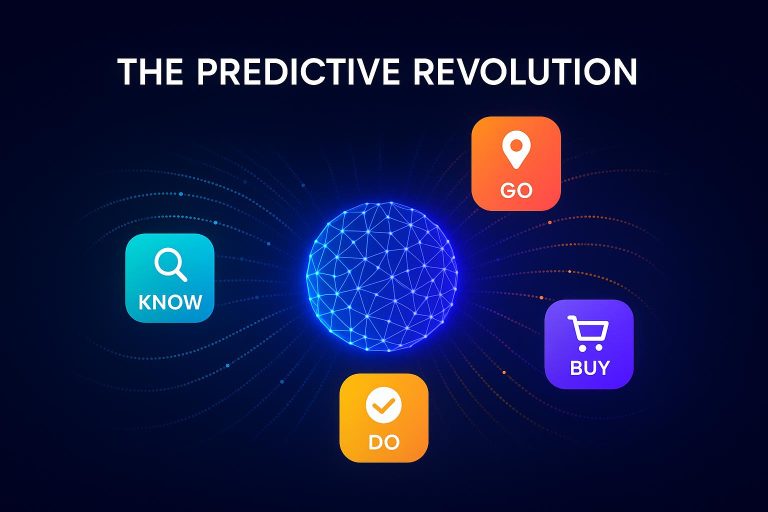
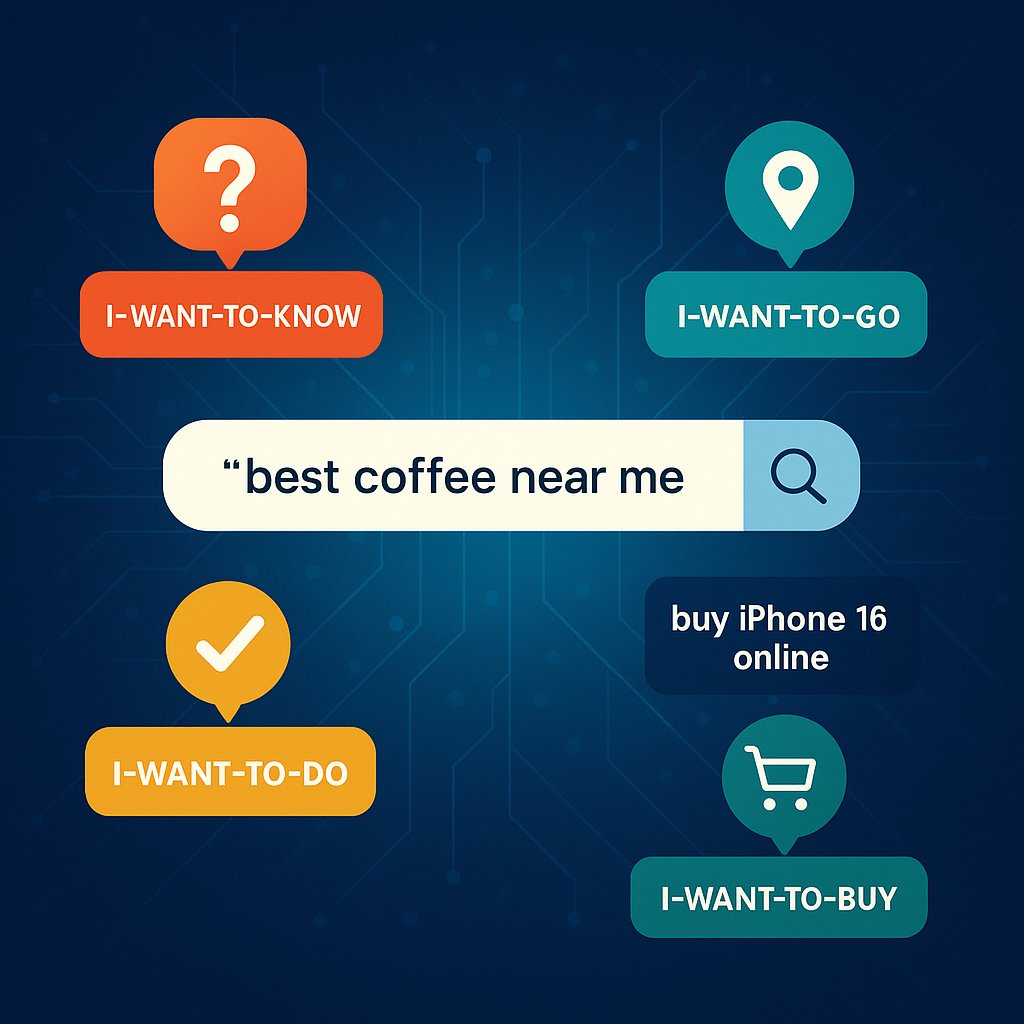
Micro-moments are the split seconds when people turn to their devices with a specific intent: to know, to go, to do, or to buy. In 2025, these intent-driven searches dominate the SEO landscape.
Each micro-moment maps directly to a searcher’s intent. By aligning your SEO strategy with these four categories, you’re not just chasing rankings. You’re meeting users exactly where and when it matters most.
Let’s break down how each one reshapes optimization strategies.
I-Want-to-Know Moments
These are curiosity-driven searches, when users want quick answers or a deeper understanding. Think of queries like “What is edge computing?” or “Who won the Ballon d’Or 2025?”
- SEO impact: To win here, brands must optimize for rich snippets, knowledge panels, and voice search responses. Long-form authority content still matters, but concise, scannable answers are what capture micro-moment visibility.
- Best practice: Structure content with clear headings, FAQs, and schema markup so it’s easy for search engines to extract and display.
I-Want-to-Go Moments
These happen when users are looking for places near them, for example restaurants, gyms, service providers. Voice and mobile dominate these searches: “Dentist near me open now.”
- SEO impact: Local SEO is critical. Google Maps results and local packs get more clicks than organic listings.
- Best practice: Keep Google Business Profiles updated, collect customer reviews, and use local schema markup. Speed, accuracy, and proximity often outweigh traditional rankings here.
I-Want-to-Do Moments
These are action-oriented searches, often instructional: “How to set up two-factor authentication” or “DIY wedding centerpiece ideas.”
- SEO impact: Tutorial-style content, videos, and step-by-step guides dominate. Google favors how-to snippets, video carousels, and visual results.
- Best practice: Create multimedia-rich content—combine text, video, and images. Add timestamps to videos for easier snippet inclusion.
I-Want-to-Buy Moments
These are high-intent searches just before a purchase decision: “Best noise-cancelling headphones under $300” or “Buy iPhone 16 online.”
- SEO impact: Product comparisons, review content, and e-commerce pages optimized for transactional queries capture this traffic. Shoppers want trust signals—reviews, ratings, clear CTAs.
- Best practice: Use structured product data, optimize for mobile checkout, and ensure page speed. In 2025, even minor friction can push buyers to competitors.
SEO Trends Aligned With Micro-Moments
Micro-moments don’t exist in isolation. They evolve alongside broader SEO shifts.
In 2025, several key trends in search technology and user behavior are directly shaping how brands show up in these intent-driven moments.
The future of SEO is inseparable from micro-moments. The trends above don’t replace micro-moments, they amplify them. To thrive, brands must not only create content but deliver it in the right format, tone, and context for each specific moment.
Voice Search & Conversational AI
Smart assistants and AI-driven chat interfaces are now everyday tools. Instead of typing short phrases, people ask fully formed questions: “What’s the healthiest lunch under 500 calories near me?” or “How do I file a small business tax return?”
- Impact: Voice queries are longer, more conversational, and context-heavy. They map almost perfectly to micro-moments—immediate, specific, and action-focused.
- Optimization tip: Brands should build out FAQ content, conversational blog sections, and long-tail keyword clusters to match natural speech patterns. Schema markup for Q&A content also increases the chance of being read aloud in voice results.
AI & Hyper-Personalization
With AI-enhanced search, two users asking the same question may get completely different results, personalized by location, browsing history, and device context. Search engines now act more like digital concierges.
- Impact: This personalization makes traditional keyword ranking less predictable. Winning micro-moments means tailoring content for specific personas and contexts—not just a generic audience.
- Optimization tip: Conduct audience segmentation and map out different micro-moment journeys (e.g., a student researching vs. a professional buying). Content libraries should cover multiple angles to catch these variants.
Video & Visual Search
Platforms like YouTube, TikTok, and Google Lens have cemented the rise of visual-first discovery. Users don’t just type “how to fix a bike chain”. They expect a quick video tutorial or an annotated step-by-step graphic.
- Impact: “Do” and “buy” moments are increasingly won through video carousels, shoppable images, and visual guides in SERPs.
- Optimization tip: Repurpose blog posts into short-form videos, add image alt text, and include structured data for how-to or product videos. Visual search optimization ensures your brand is discoverable beyond text queries.
E-E-A-T & Trust Signals
Google continues to emphasize Experience, Expertise, Authoritativeness, and Trustworthiness (E-E-A-T) especially in YMYL (Your Money, Your Life) niches like health, finance, and commerce. Users in “know” and “buy” moments demand proof that your answer or product is credible.
- Impact: Even if you capture visibility in a micro-moment, weak trust signals can cause users to bounce.
- Optimization tip: Highlight author credentials, cite reputable sources, showcase reviews, and build backlinks from authoritative sites. Micro-moment SEO isn’t just about being seen—it’s about being believed.
The Rise of Zero-Click & Generative Results
AI-powered answer boxes and zero-click results are reducing the number of traditional clicks. For instance, Google’s AI Overviews or Bing Copilot often summarize answers directly.
- Impact: While traffic may drop, brand visibility within these summaries becomes critical. Showing up in AI-generated responses means your content is part of the conversation, even if users don’t click.
- Optimization tip: Focus on concise, well-structured answers and authoritative sources that AI is likely to pull from.
Practical Steps to Optimize SEO for Micro-Moments
Understanding micro-moments is one thing, building them into your SEO strategy is another.
In 2025, the most successful brands treat SEO less like a checklist and more like a way of anticipating and answering user intent.
Here’s how you can do the same:
1. Map Keywords to Micro-Moments
Not all keywords signal the same level of urgency. A search for “what is generative AI” indicates a know moment, while “best generative AI tools for marketers” signals a buy moment. Break your keyword research into these four categories (know, go, do, buy) to reveal gaps in your content and ensure coverage across the entire decision journey.
- Action tip: Create a keyword-intent map in your content calendar so every new piece of content serves a specific micro-moment.
2. Optimize for Featured Snippets & Zero-Click Results
Many micro-moment queries are answered directly on search pages—especially in voice and AI-generated results. Instead of worrying about clicks alone, aim to own the snippet.
- Action tip: Use structured data, short definitions, numbered lists, and Q&A formatting. These increase your chances of appearing in answer boxes, knowledge panels, or AI summaries.
3. Strengthen Local SEO & Schema Markup
“I-want-to-go” and “I-want-to-buy” moments often come with local intent. A strong Google Business Profile, consistent NAP (name, address, phone) details, and reviews all influence local pack rankings.
- Action tip: Add schema markup for products, reviews, and events. This helps search engines understand your content and display it more prominently.
4. Prioritize Mobile-First, Fast-Loading Experiences
Micro-moments usually happen on mobile, often when users are multitasking. Slow pages, clunky navigation, or hard-to-read text kill conversions.
- Action tip: Run regular Core Web Vitals audits. Focus on speed, interactivity, and mobile-friendly layouts.
5. Diversify Into Multi-Format Content
Different micro-moments call for different content formats. Someone in a “do” moment may prefer a quick video tutorial, while a “buy” moment may need comparison tables or interactive reviews.
- Action tip: Repurpose blog posts into short videos, step-by-step visuals, and downloadable guides. A single piece of content can serve multiple intents when repackaged correctly.
6. Continuously Monitor & Adapt
Micro-moment behavior shifts quickly. New search patterns emerge as technologies (like AI search assistants) evolve.
- Action tip: Track which keywords or pages capture snippet visibility and micro-moment traffic. Update content frequently to stay relevant.
Micro-Moments Are the New SEO Currency
SEO in 2025 is no longer defined by static rankings or keyword density. It’s defined by the ability to meet users in their micro-moments of intent.
Whether they want to know, go, do, or buy, people expect instant, relevant, and trustworthy results. Search engines have evolved to reflect this reality, and so must your strategy.
For marketers and SEO professionals, the challenge is clear: stop thinking of SEO as just optimization for algorithms, and start thinking of it as optimization for intent and context. That means mapping keywords to moments, embracing multi-format content, optimizing for voice and AI-driven results, and continuously monitoring how users engage.
Brands that align their content with micro-moments don’t just rank, they become the go-to answer in the exact second someone needs them. Audit your SEO strategy through a micro-moment lens and see where you might be missing out on the moments that matter most.